EDFA encourages, supports, and participates in eating disorders research
The EDFA Research Committee exists to embed research into the activities run by Eating Disorders Families Australia including:
- the evaluation of EDFA programs; and
- undertaking research projects specifically on improving the mental health of families and carers.
EDFA’s Research Committee comprises leading eating disorder researchers from Australia’s top universities including Deakin University, The University of Melbourne, Flinders University, and the Australian Catholic University.
If you are interested in being part of EDFA’s Research Committee, please contact us with your expression of interest here.
Research Committee Members
Chair - Professor Genevieve Pepin
Deakin University
Professor Pepin is an experienced mental health occupational therapist and a proficient academic. Built on almost 20 years’ work in the area of mental health and eating disorders in Canada and in Australia and including partnerships with national and international leaders in the field, Prof Pepin has established herself as a significant contributor to eating disorders research. Genevieve’s expertise and passion are in research co-produced with carers of people with an eating disorder, understanding the impact of eating disorders on function and the daily activities of those with an eating disorder and their family, and the development of innovative interventions promoting best health outcomes.
Associate Professor Isabel Krug
The University of Melbourne
Isabel Krug is an Associate Professor in Clinical Psychology at the University of Melbourne, where she leads the Melbourne School of Psychological Science Eating Disorder Lab. The lab focuses on improving the understanding of the genetic, neurocognitive, environmental, and psychological underpinnings of eating disorders.
Some of her work includes completing the first Australian studies exploring the effectiveness of the Collaborative Care Skill building Workshop (CCSW), an evidence-based intervention for carers of people with an eating disorder developed by Professor Janet Treasure and colleagues in the UK. She also developed a training program to ensure CCSW is delivered effectively across eating disorder services and organisations.
Her research is impactful and translational, leading to changes in practice and services as demonstrated by an invitation to join the Advisory Committee for the Development of the Australian Eating Disorders Research & Translation Strategy 2021-2031. She is a member of the executive group of the Australian Eating Disorder Research and Translation Centre. She is the co-lead of the Lived-Experience and Co-Production stream of the Centre and a member of the National Eating Disorders Research Consortium.
Genevieve is a strong believer in multidisciplinary approaches to understanding eating disorders. She believes in best practice and is curious about emerging knowledge and interventions about eating disorders.
A/Prof Krug’s team was instrumental in an EDFA research project to better understand the impact of eating disorders on their carers by assessing the efficacy of EDFA’s Support Groups. Her team’s ultimate aim is to improve the classification, aetiology, and treatment of eating disorders for the individuals themselves and their carers.
Associate Professor Marianne Wyder
The University of Queensland
Associate Professor Marianne Wyder is a social worker with a background in sociology. Over the past 20 years, she has worked in various research and clinical positions in Government, Non-Government and University sectors. She is the Principal Research Fellow for Metro South Addiction and Mental Health Services and an Adjunct Associate Professor at the School of Nursing, Midwifery and Social Work, the University of Queensland. Her research spans the health sector and focusses on mental health, suicidal behaviours, relational and family recovery, involuntary treatment, social determinants in mental health, eating disorders and co-design methodologies.
Professor Simon Wilksch
Flinders University
Professor Simon Wilksch is a Clinic Director and psychologist (clinical) at Advanced Psychology Services, a private practice providing eating disorder treatment to people of all ages and their families. He is also a Senior Research Fellow in Psychology at Flinders University (Full Academic Status). His research interests span risk factors (including social media), prevention, early intervention, and improving treatment experiences and outcomes for patients and their families.
Marianne employs a variety of mixed methodology approaches and has conducted a number of co-produced research projects. She is currently employed as the Principal Research Fellow in Metro South Addiction and Mental Health Services where her role involves conducting and facilitating practice based research, service evaluations, as well as supporting clinicians to undertake practice based research projects. Her research can be accessed here Marianne Wyder – Google Scholar
Professor Simon Wilksch developed Media Smart Schools to reduce eating disorder risk and this was adapted to the online Media Smart Targeted program for 13-25 year-olds with body image concerns. Both programs are unique for their evidence of effectiveness. Simon also works in an advisory capacity in several settings to advocate for improvements in the availability of effective eating disorder prevention and treatment.
Dr Lyza Norton
Western Sydney University
Dr Norton has extensive clinical experience as a Senior Paediatric Dietitian working across the acute and community sector in the area of eating disorders over the past two decades. She is passionate about integrating preventive strategies within the wider community and has research interests in the early years, food communication and preventive interventions.
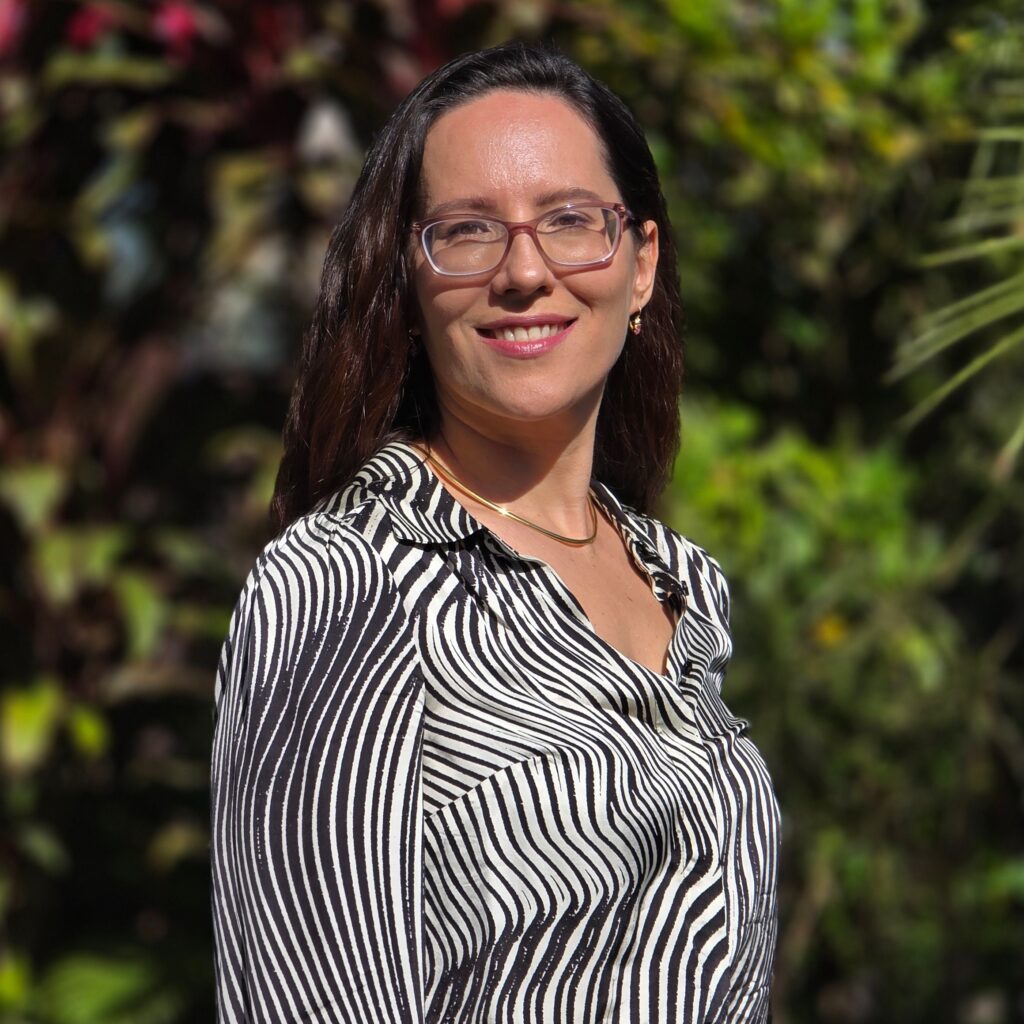
Dr Elena Konovalov
Eating Disorders Families Australia
Dr Konovalov serves as EDFA Research and Evaluation Coordinator. She is an experienced researcher and educator with a PhD in Tourism and Community Well-being from James Cook University. She has over a decade of expertise in applied social science, curriculum innovation, and data analytics, complemented by strong skills in research design, evaluation, and stakeholder engagement.
Her PhD; Promoting positive food parenting practices for disordered eating prevention: Adopting a knowledge translation approach (completed in 2023), has resulted in an intervention designed for parents to reduce their child’s risk of developing disordered eating. Dr Norton is passionate about using evidenced based strategies and frameworks adopted from social marketing, co-design and knowledge translation science to assist families in the real world.
Dr Norton has worked as a research fellow in child eating disorders at the University of Melbourne, School of Population and Global Health. She also consults on paediatric programs for a not-for-profit, The Embrace Collective. Dr Norton recently consulted as the lead content expert for the development of Body Blocks, a program designed for early childhood educators, promoting food and body confidence.
Elena is passionate about research that creates real-world impact for communities and individuals. Her work is driven by a commitment to evidence-based approaches that inform policy, enhance support networks, and promote inclusive practices for better outcomes.
Elena also brings her lived experience as a carer, having supported her daughter through a challenging time with an eating disorder. This experience gave her a deep understanding of what carers go through and strengthened her commitment to research and advocacy that improve support systems and outcomes for families.
Penny Scarce
Eating Disorders Families Australia
Penny serves as EDFA Evaluation Support Officer. With a background in psychology, research, and lived experience, and a deep commitment to supporting families impacted by eating disorders. She has previously contributed to EDFA through national support groups and evaluation projects focused on carer wellbeing.
Penny is a passionate advocate for young people’s mental health, with a particular focus on eating disorder prevention, body image, and social media literacy. She believes in making evidence-based tools more emotionally accessible and supportive for both individuals and carers.