
Supporting Eating Disorder Recovery Through Role Modelling
Fill The Gap Program Manager Elise Wales shares her clinical expertise and lived experience on leveraging role modelling to support recovery from eating disorder.

We live in a world saturated with messages about bodies, food and health, often so subtle and constant that we barely notice them. For those supporting a loved one with an eating disorder, these messages can add layers of complexity, confusion and self-doubt.
If you’ve ever felt conflicted about food, criticised your body, or viewed exercise as a way to ‘earn’ food, you’re not alone. These beliefs don’t develop in isolation – they’re shaped by media, social norms, and even well-intentioned health advice. Diet culture, which equates thinness with health and worth, is deeply ingrained in our society. It influences the way we think, speak, and act. And an entire industry profits from it: the weight loss and dieting industry is expected to reach US$295.3 billion (A$463 billion) by 2027*.
The good news? These beliefs can be unlearned. Supporting someone through recovery can be a powerful opportunity to reflect on our own relationship with food, movement, and body image. It’s normal to feel challenged or uncomfortable when long-held beliefs are questioned, but by role modelling a more balanced, flexible and compassionate approach, we not only create a supporting environment for recovery but also contribute to dismantling the harmful influence of diet culture in our own lives.
From my own lived experience with an eating disorder, I know just how powerful role modelling can be. When my support network began to challenge their own beliefs around food, movement, and body image, it created a safe space for me to do the same and start taking steps toward recovery.
Here are some practical ways to gently shift your own relationship with food, body, and movement – and in doing so, support recovery:
Shift conversations away from weight, appearance, and diet talk
This can feel unnatural at first, as comments about appearance and food choices (even well-intentioned ones like “you look healthy”) are deeply ingrained in everyday conversations. Comments about food, bodies, and dieting often happen without much thought – they’re used as small talk, a way to bond, or to ease discomfort. But even well-meaning remarks can reinforce the idea that a person’s worth is tied to their appearance or eating habits.
Instead, focus on qualities beyond appearance – kindness, creativity, humour, strength. Compliments about these deeper traits tend to feel more authentic and meaningful. If conversations around dieting or weight loss arise, consider gently changing the subject, setting a boundary, or using the opportunity to educate others. You can find some examples of how to respond to diet talk here.
Challenge the idea that weight = health
Avoid making assumptions about a person’s health, eating habits or exercise behaviours based on their weight, shape, or size. A healthy body can exist in many forms. The Health at Every Size (HAES) approach challenges weight stigma, and promote health-focused, not weight-focused, care. Educating yourself about HAES and supporting body diversity can help dismantle harmful stereotypes and encourage a more inclusive perspective on health.
Don’t moralise food – all foods fit
Labelling foods as “good”, “bad”, “junk”, “toxic” or “clean” can fuel guilt and shame, implying that some foods are virtuous while others are harmful. This reinforces disordered beliefs. Instead, model a flexible approach where all foods have a place, and eating is about nourishment, enjoyment, and flexibility rather than restriction or control.
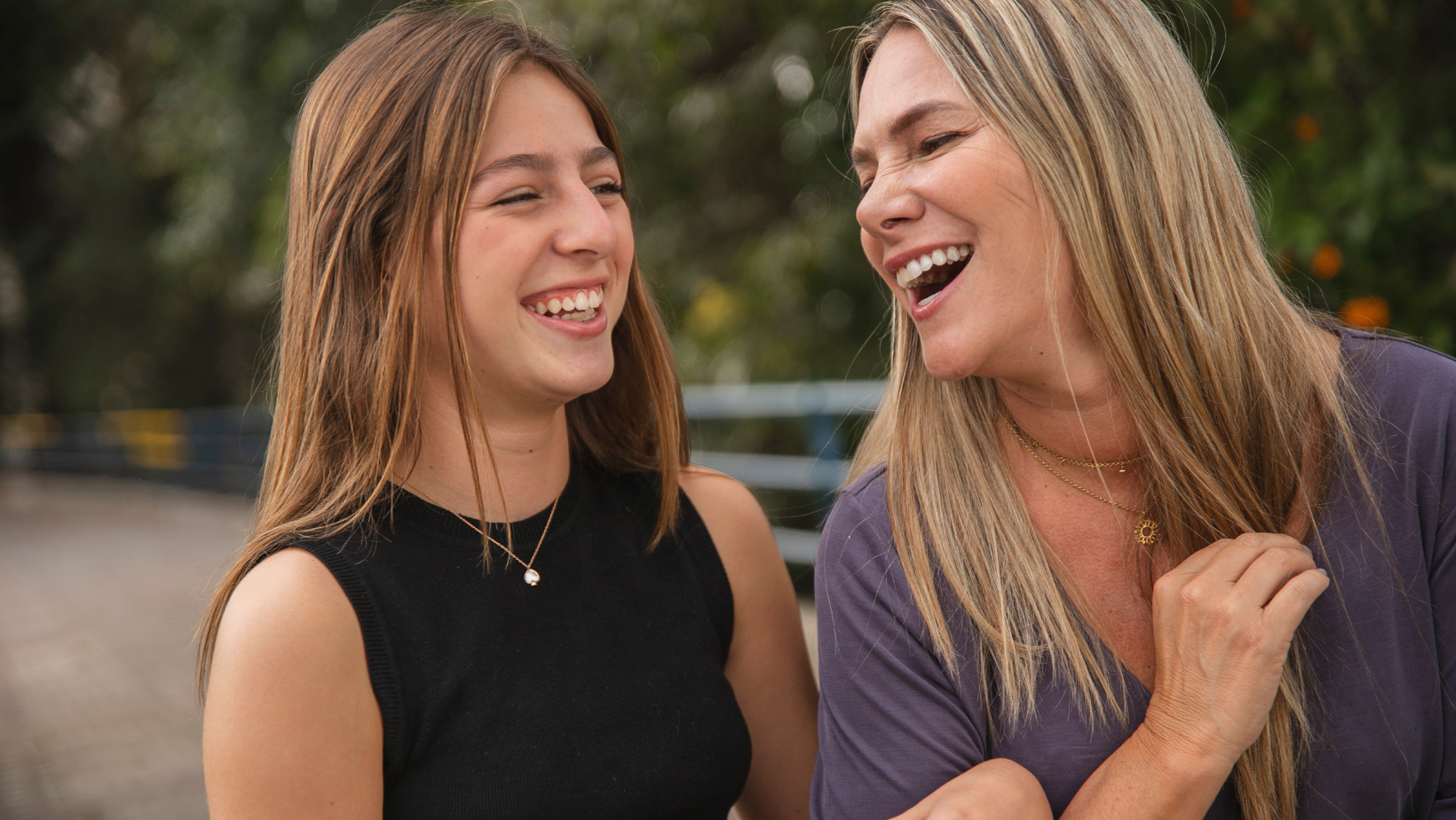
Move your body in ways that feel good, not to change your weight or shape
Find movement that brings you joy. Movement should be about connecting with your body, not controlling it. Shifting the focus from weight to wellbeing helps foster and model a positive relationship with movement. If you’re unable to leave the house due to your caring role, try exploring gentle movement like stretching or yoga.
Appreciate your body for what it can do, not how it looks
Our bodies allow us to walk, hug, laugh, and experience life. Shifting the focus from aesthetics to function can be a powerful way to challenge body dissatisfaction. Practice gratitude for your body’s abilities – what it allows you to do – rather than critiquing its appearance.
Celebrate, embrace and accept all body shapes and sizes
Actively seek out and support diverse representations of bodies in media, social media and everyday life. Research has shown that increased engagement and interactions with people who have a higher weight leads to a reduction in weight bias.
The importance of self-compassion for carers
Supporting a loved one through eating disorder recovery is an emotional journey, and it’s essential to care for yourself too. Unlearning diet culture and shifting long-held beliefs doesn’t happen overnight, and that’s okay. What matters is your willingness to notice, reflect, and extend the same compassion to yourself that you so generously offer to your loved one. In making these shifts, you’re not only creating a more supportive and healing environment for their recovery – you’re also nurturing your own growth and wellbeing.
*US$1 = A$1.57
Additional Reading
- Health at Every Size (HAES) – Size Inclusive Health & EDFA’s HAES information
- Butterfly Foundation: How to reduce the impact of diet culture on your life
- Butterfly Foundation: What is weight bias and fatphobia, and how can we challenge it?
- Weight Loss and Weight Management Diet Market Size, Share, Competitive Landscape and Trend Analysis Report, by Product Type and Sales Channel : Global Opportunity Analysis and Industry Forecast, 2021-2027
- Eating Disorders Victoria: Responding to “diet talk”
- The role of social exposure in predicting weight bias and weight bias internalisation: an international study
If you’d like to learn more about diet culture, how to model balanced attitudes and behaviours, or explore other strategies to support your loved one’s recovery, our Fill The Gap counsellors are here to help.
EDFA’s Fill The Gap counselling service offer free, one-on-one online counselling to support carers in navigating the challenges of caring for a loved one with an eating disorder or disordered eating concerns.
Please contact contact Administrative Assistant, Bailey Wightman, on 03 9125 5670 or email counselling@edfa.org.au if you need support accessing the service.
About Eating Disorders Families Australia
Eating Disorders Families Australia (EDFA) is the only national organisation solely for carers and families of those with an eating disorder. EDFA provides support, EDucation, advocacy, and FREE online counselling services and annual membership. EDFA has a private Facebook forum, providing a safe place for eating disorder carers and family members to share experiences, seek advice and assistance, and find hope.