
Hearts Behind the Hope: Meet Vicki K (Volunteer Story)
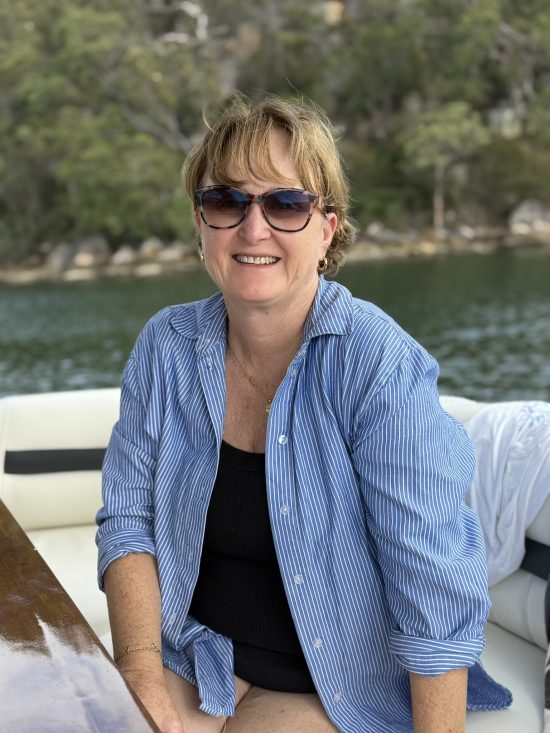
If you had to describe Vicki in three words, her family would say – honest, empathetic, supportive. Which, if you’ve ever been in one of her groups, tracks completely. But ask Vicki about herself and she’ll probably deflect and laugh.
Vicki (mumma to one son and two daughters) came to EDFA not as a professional but as a parent who had been through it and come out the other side with something she wanted to pass on.
What brought you to EDFA?
Vicki’s daughter recovered early on in the ED journey and Vicki is clear about what made the difference…good advice, at the right time. “I felt so grateful,” she says. “And when you feel that grateful, you want to do something with it.”
What drew her specifically to EDFA was the breadth of it, not just peer support but education, real information and a non-judgemental approach to all kinds of carers and all kinds of treatment paths. “There’s no one way here, each journey and path is completely unique,” she says. “And that matters enormously.”
What has facilitating groups taught you?
“How complex this illness is and how individual each journey is.” Vicki has sat with carers from all walks of life, in all kinds of situations and says the thing that strikes her every time is how different everyone’s story is and yet how much the same it feels. The challenges echo. The fears echo.
She’s also heard more stories of recovery than she can count and that, she says, is the quiet gift of this work. “Every time I hear that someone has found their way through, I’m reminded to be grateful for what I have. It resets me.”
Your single most important piece of advice for a new carer?
Vicki doesn’t hedge on this one.
“Take it seriously. Treat it like any other life-threatening illness because it is one. Get an experienced team. Give it everything. Don’t wait and see.” She pauses. “If it were cancer, you wouldn’t be watching and hoping. This deserves the same urgency.”
A moment that has stayed with you?
There’s one that Vicki comes back to often. A woman joined a group from her phone as she was walking through a busy train station, city noise in the background, hard to hear, hard to be heard. She was on her way home from work and had found a few minutes between platforms to dial in.
“She stayed the whole time. She wanted to talk. She needed to be there.”
Vicki’s voice softens telling it. That image of someone threading through a crowd, holding on to a phone and a thread of connection is what reminds her why this work exists. “When someone shows up like that, exhausted and overwhelmed and still trying in the spare few moments she had, you just give everything you have. Every time.”
What do you wish more people understood about eating disorder carers?
“That it can be a full-time caring role and it’s almost never thought of that way.” Eating disorders are life-threatening, Vicki says and they’re often minimised. “Not eating enough” sounds manageable until you’re living it.
She also talks about the isolation, the way shame and secrecy mean carers often carry this alone, even when the people around them would want to help. “That’s exactly when you need to reach out. Not when things are tidy. When they’re not.”
And a practical note she feels strongly about is that many people don’t realise the damage food chatter can have – any talk of food, weight, diet or appearance … any of it, needs to be removed. Put the focus on other things, other attributes and avoid it entirely.
What fills your cup outside of EDFA?
Family, mostly. Vicki loves cooking for people and bringing her family together to do so. She walks in nature every day (often with Teddy, her cavoodle, who she absolutely did not want and now cannot imagine life without). She reads fiction. She loves being on the water. And she is, by her own admission, someone who genuinely enjoys planning a holiday and the whole experience of travel itself.
Something people might not know about you?
Vicki used to play squash competitively. Her parents owned squash courts. And her husband? He came in wanting to play squash. She smashed him. Then married him 😉
When things feel hard, what keeps you steady?
“I learnt not to look too far ahead.” This came from the ED years where she leant that catastrophising made everything harder. Now, when things feel shaky, she brings herself back to the next hour. The next day.
Being with family helps. Getting outside helps. Teddy definitely helps. And when all else fails a good rom-com and curling up on the couch fixes most things. “Sometimes that’s exactly enough,” she says.
If you could say one thing directly to carers reading this?
“Recovery is definitely possible. Keep looking at what else you can try – you never know which treatment option, which adjustment, which small shift might put your loved one on the path to recovery.”
— Vicki, EDFA volunteer facilitator
Additional resources:
The needs of carers: a comparison between eating disorders and schizophrenia (2008)
The experience of living with a person with an eating disorder: the impact on the carers (2005)
Gender differences in caregiving among family – caregivers of people with mental illnesses (2016)
Eating Disorders Families Australia (EDFA) provides support and services for carers supporting loved ones with neurodivergence and an eating disorder.
EDFA’s Men’s Support Group is open to any carer identifying as male, including dads, partners, siblings, and friends, who are supporting a loved one with an eating disorder. The group is held every two months in the evenings, providing a safe space to connect, share experiences, and gain support from other males who understand.
EDFA’s Fill The Gap counselling service offer free, one-on-one online counselling to support carers in navigating the challenges of caring for a loved one with an eating disorder or disordered eating concerns.
Please contact Administrative Assistant, Bailey Wightman, on 03 9125 5670 or email counselling@edfa.org.au if you need support accessing the service.
About Eating Disorders Families Australia
Eating Disorders Families Australia (EDFA) is the only national organisation solely for carers and families of those with an eating disorder. EDFA provides support, EDucation, advocacy, and FREE online counselling services and annual membership. EDFA has a private Facebook forum, providing a safe place for eating disorder carers and family members to share experiences, seek advice and assistance, and find hope.