
Australian teens find anorexia ‘coaches’ in dangerous groups thriving on X despite social media ban
Content warning: This story contains graphic descriptions of disordered eating and self-harm.
Teenagers are soliciting anorexia ‘coaches’ and sharing pictures of their terrifyingly thin bodies inside a thriving and dangerous online community thumbing its nose at Australia’s world-leading social media ban.
An investigation has unearthed more than 20 active accounts of users who openly identify themselves as Australians aged under 16, participating in the disturbing ‘eating disorder Twitter’ movement and sharing dangerous content that includes self harm.
X’s ‘Communities’ feature has allowed users with eating disorders to congregate in groups with hundreds of thousands of members, operating in plain sight – despite X falling under the Australian eSafety Commissioner’s age-restrictions.
This confronting subculture has sparked a renewed push from worried parents calling on the federal government to fine tech companies for failing to enforce the ban, and urge the platforms to “do better”.
Under the hashtags ‘edtwt’ (eating disorder Twitter) and ‘shtwt’ (self harm Twitter), as well as the combined ‘shedtwt’ hashtag, teenagers as young as 13 years old are fantasising about their ‘UGW’ (ultimate goal weight) and how they’ll achieve it, from OMAD (one meal a day) to fasting and ‘purging’.
Others berate themselves over their ‘fat’ bodies and share faceless selfies with their collarbones and ribs jutting from their skin, or post pictures of themselves self-harming, burning or cutting into their skin after ‘bingeing’.
“Lack of discipline makes you ugly,” reads the caption on one post with over 3000 ‘likes’, beneath the words a picture of a skinny woman in a bikini eating yoghurt. “Nothing is more important than getting skinny,” another popular post reads.
Jane Rowan, executive director of carer support group Eating Disorders Families Australia, described the content as “horrific” and said it shows “the need for the social media reforms to be enforced”.
“Social media platforms (need) to be held to account for what they’re serving up … we really need to start seeing some penalties,” she said.
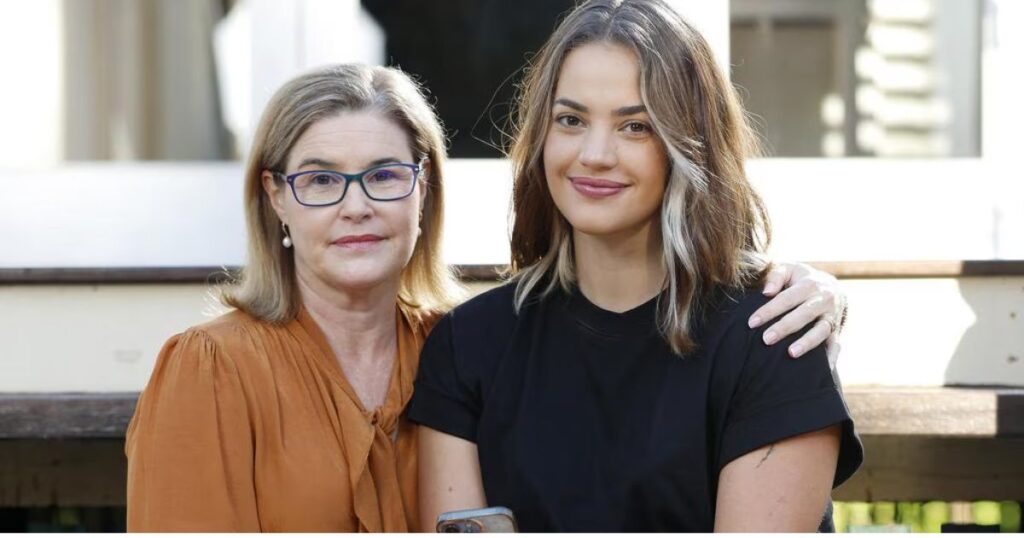
The existence of ‘edtwt’ was “news” to the long-time mental health advocate.
“Which is worrying”, she said, “because it means that parents and carers aren’t aware of it”.
However it was not news to her 25-year-old daughter, Charley, who suffered anorexia nervosa as a teenager and has spoken out about social media algorithms adding fuel to the fire of her disorder.
“I mentioned it to my daughter, who was very aware of (these communities) and now steers clear of them,” Ms Rowan said.
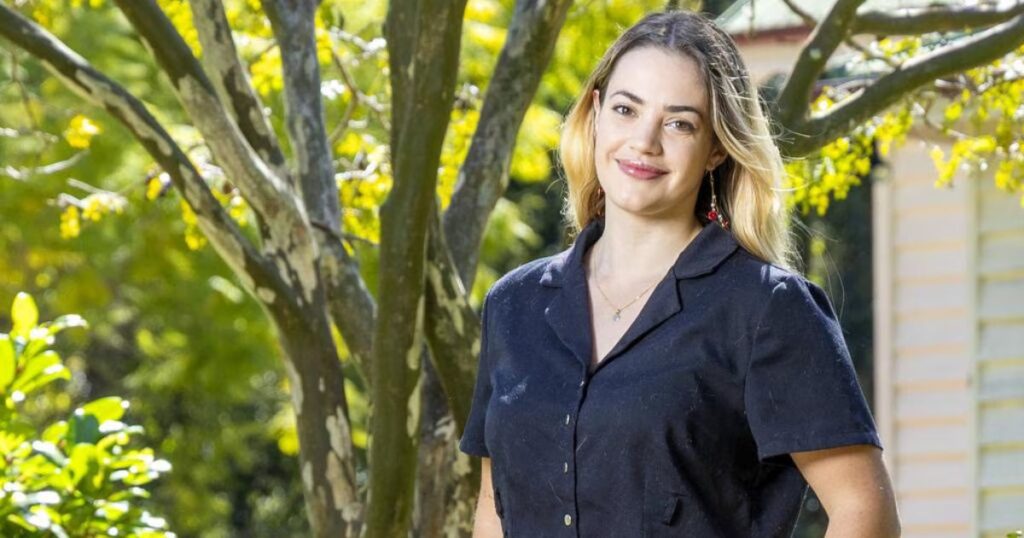
“She’s not happy about receiving that sort of content on her social media feed, but she’s self-aware and she’s in a place now where she can bat it away. The problem is when it appears in front of vulnerable young people – that’s where the danger really is.”
Among the pro-eating disorder content discovered during this investigation were users who spruik ‘meal plans’ named after cute characters from children’s cartoons.
One ‘diet’, named after a character from ‘Monster High’, tells followers to consume no more than 800 calories in a day – around one third of the recommended intake for teenage girls – before consuming nothing but tea and water one day a week.
The same user’s ‘pegasus diet’, decorated with colourful My Little Pony characters, recommends a liquid fast for up to three days and a yoghurt bowl, fruit bowl or small portion of fish and vegetables for the rest of the week.
Popular hashtags in these ‘communities’ include ‘thinspo’ and the more extreme ‘bonespo’, featuring images of frail, skeletal teens – usually girls – as ‘inspiration’ for further weight loss.
“Who wants to be my ana coach I’ve been slack asf!” (sic) reads one post from a 15-year-old Australian girl.
Other users can be seen pleading with minors not to engage with these ‘coaches’, some of whom are alleged to be pretending to be minors online in order to solicit nude images from teens.
“They are predators,” one community member alleged, in a disturbing post detailing a 13-year-old friend’s claims of grooming and abuse.
Professor Gemma Sharp is a clinical psychologist and expert on eating disorders at Adelaide University and has been investigating this field for over a decade. She described the existence of ‘edtwt’ as “not surprising” but “very concerning”.
“Where there are vulnerable young people, there will be a group of adults trying to exploit them unfortunately,” Professor Sharp said.
These pictures were posted as ‘inspiration’.
“This content has been in existence online since the 1990s but has become increasingly accessible over the decades which is very concerning,” Professor Sharp said.
“There will be people who actively seek out this content for engagement, however, it is quite disturbing how many people will come across this content incidentally.
“Some people will say that these forums are very helpful and where they feel understood and connected. However, engaging with them does not usually prompt someone towards a recovery focus, rather, it keeps reinforcing disordered behaviours.”
News Corp’s Let Them Be Kids campaign has been reporting for almost two years on the ill effects of social media on young Australians, successfully advocating for the age of access to be raised to 16.
X did not respond to questions.
This masthead alerted the office of eSafety Commissioner Julie Inman Grant to the accounts we identified as Australian children under the age of 16 participating in eating disorder communities on X.
Ms Inman Grant did not respond to questions about whether she would seek further information from X as to how it was moderating the content, but a spokesman said “all online services operating in Australia need to be doing more to protect children from exposure to harmful content”.
Anyone needing support with eating disorders or body image issues is encouraged to contact the Butterfly National Helpline on 1800 33 4673 or visit www.butterfly.org.au to chat online.
For urgent support call Lifeline on 13 11 14.
Article was originally published on The Courier Mail on Thursday April 30 2026.
About Eating Disorders Families Australia
Eating Disorders Families Australia (EDFA) is the only national organisation solely for carers and families of those with an eating disorder. EDFA provides support, EDucation, advocacy, and FREE online counselling services and annual membership. EDFA has a private Facebook forum, providing a safe place for eating disorder carers and family members to share experiences, seek advice and assistance, and find hope.
EDFA’s Fill The Gap counselling service offer free, one-on-one online counselling to support carers in navigating the challenges of caring for a loved one with an eating disorder or disordered eating concerns.
Please contact Administrative Assistant, Bailey Wightman, on 03 9125 5670 or email counselling@edfa.org.au if you need support accessing the service.
EDFA’s Support Groups are open to any carers who are supporting a loved one with an eating disorder. Check out the various diagnosis and carer type groups below.